
Garage Door Maintenance Checklist for Every Season
A practical guide for Northern Virginia homeowners
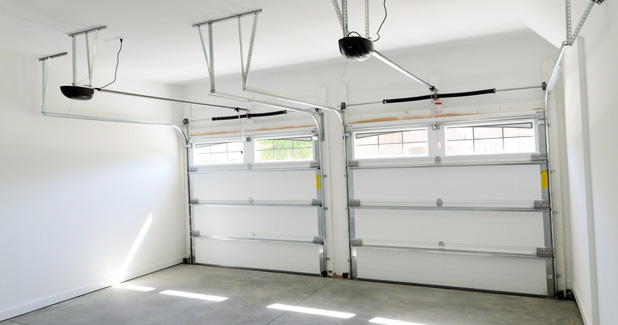
A garage door is the largest moving object in most homes, and it cycles thousands of times a year. A few minutes of attention each season catches worn parts before they fail and keeps the door quiet, balanced and safe. This checklist covers what you can do yourself and what is best left to a trained technician.
Key points
- Look and listen once a month; most failures give warning.
- Test the safety reversal every month.
- Lubricate moving parts twice a year, never the tracks.
- Book a professional tune-up once a year.
Monthly: look, listen and test
Open and close the door and watch it move. It should travel smoothly without jerking, shaking or scraping. Listen for grinding, popping or squealing. Then test the safety reversal: place a roll of paper towels or a short piece of wood flat in the middle of the opening and close the door with the opener. It should reverse as soon as it touches the object. Finally, wave something through the safety sensor beam while the door is closing; it should stop and reverse.
Spring: recover from winter
Northern Virginia winters bring freeze-thaw cycles and road salt carried in on tires. In spring, rinse salt and grit off the bottom of the door and the bottom seal, check the bottom brackets and cables for rust, and look for cracks in the seal. Replace a seal that has gone stiff or torn. Clean the tracks with a dry cloth to remove dirt and leaves.
Summer: heat, humidity and storms
Humid summers and thunderstorms are hard on openers and seals. Check that the opener is plugged into a protected outlet, and consider a surge protector suited to garage door openers. Make sure the weather stripping along the sides and top is intact so wind-driven rain stays out. If the door sticks on hot afternoons, the tracks may be out of alignment.
Fall: get ready for the cold
Fall is the best time for a professional tune-up. Cold weather makes metal contract and lubricant thicken, so springs and openers work harder in winter. Lubricate the springs, hinges, roller bearings and opener rail with a garage-door lubricant. Check that the door is balanced: release the opener, lift the door halfway and let go. It should stay in place. If it falls or rises, the springs need adjustment.
Winter: keep it moving
Keep snow and ice clear of the bottom of the door so it does not freeze to the ground. If it does stick, do not force it with the opener; break the ice gently or warm the area first. Watch for slow or labored opening, which can mean thickened lubricant or a weakening spring.
What to leave to a technician
- Adjusting or replacing torsion or extension springs.
- Replacing cables, drums or bottom brackets, which are under spring tension.
- Straightening bent tracks or rehanging an off-track door.
- Opener electrical repairs and logic board replacement.
Signs you need service now
Some symptoms should not wait for the next seasonal check: a door that suddenly feels heavy, a loud bang from the garage, a cable hanging loose, a door that sits crooked in the opening, or an opener that strains, smells hot or stops partway. Stop using the door and call for service. Running a door with a broken spring or cable can bend panels, burn out the opener and cause injury.
Questions
How often should I lubricate my garage door?
Twice a year for most homes, typically in spring and fall, using a lubricant made for garage doors.
Should I lubricate the tracks?
No. Clean the tracks but lubricate the rollers, hinges, springs and bearings instead.
How often should a professional service my door?
Once a year for most homes, and every six months for doors used many times a day.
Need help with your garage door? We answer 24/7.
Call (703) 947-0754